
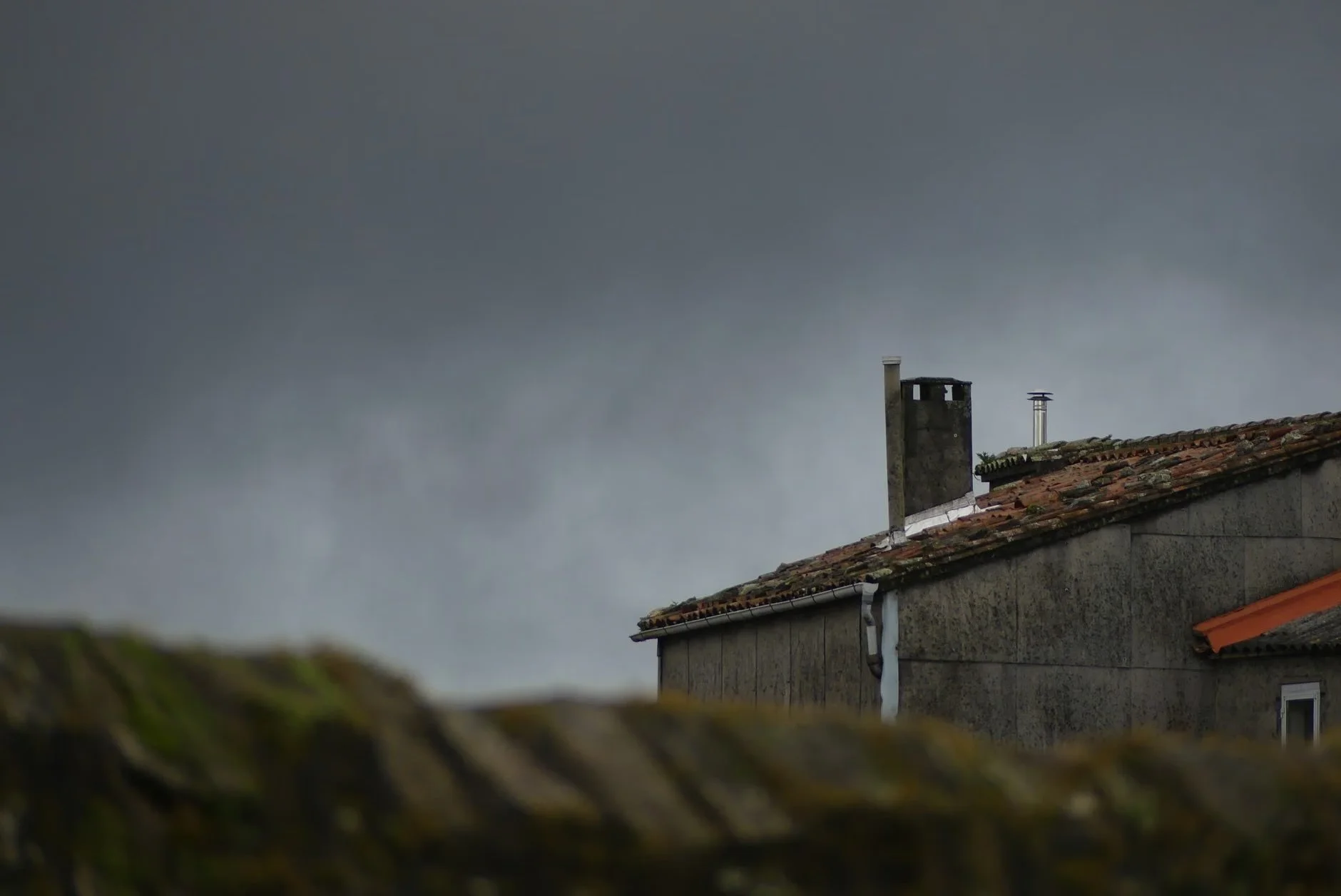
Living in Centennial, Colorado, you’ve probably noticed the relentless weather swings we endure. From scorching summer sun to heavy snowfalls, your roof takes quite the beating every year. The unique climate here directly affects the longevity and maintenance needs of our roofing systems. Colorado's high altitude and extreme temperature fluctuations can accelerate wear and tear on roofing materials, making maintenance crucial. When we talk about a roof's lifespan in Colorado, we're not just discussing years. We're considering hail impact, UV exposure, and snow load, all of which can reduce the expected lifespan of most roofs if not properly addressed. Let's go through what exactly our Centennial climate means for your roof.
Hailstorms: The Frequent Visitor
Hail is something most Colorado residents are familiar with. The size and frequency of hailstorms in our area can be brutal on roofs. We’re often looking at hailstones that range from penny to golf ball size. These can easily cause significant damage to roofing materials like asphalt shingles, wood shakes, and even metal roofing. For a typical asphalt shingle roof, hail impact can lead to granule loss, cracks, and even dislodgement of shingles. Granule loss is particularly concerning as it exposes the underlying asphalt to UV rays, accelerating decomposition. Routine inspections after hailstorms are vital. Repairing or replacing damaged shingles promptly helps maintain the integrity of the roof and extend its lifespan. For more on handling hail damage, check out how to handle hail damage a guide for colorado homeowners.
Sun Exposure: The Silent Deteriorator
Centennial’s elevation means we’re closer to the sun. That extra UV exposure can be harsh on roofing materials. Asphalt shingles, for instance, can dry out and become brittle faster at higher altitudes. This results in curling and cracking, which compromises the roof’s ability to shed water effectively. Metal roofs, though more durable against UV rays, can fade and lose their reflective properties over time. Regular maintenance like applying protective coatings can help mitigate UV damage. Consider materials designed to withstand high UV exposure if you’re planning a roof replacement. Learn more about choosing the best roofing materials for colorado's diverse climate.
The Weight of Snow
Winters in Centennial are unpredictable. You might deal with light dustings some years and heavy snowfalls the next. Snow load is a significant factor affecting roof lifespan here. Roofs must handle the weight of accumulated snow without stress fractures or leaks. Flat roofs are particularly vulnerable if they aren’t correctly sloped for drainage. Building codes in Colorado require roofs to withstand specific snow loads, but older homes might not meet these standards. Regularly clearing excess snow can prevent undue stress and potential roof collapse. For winter preparation tips, see preparing your roof for colorado's harsh winters essential maintenance tips.
Wind: The Unseen Force
Colorado can experience substantial winds, often unexpected. Wind uplift can pry shingles loose from the roof deck, especially if they’re already compromised by age or improper installation. Once a shingle is loose, water can seep in, leading to leaks and even structural damage over time. Checking for loose shingles after a windy day and ensuring they’re properly fastened will keep potential problems at bay.
Temperature Swings: Expansion and Contraction
We all experience the dramatic temperature swings here, sometimes within a single day. This freeze-thaw cycle is brutal on roofing materials. Asphalt shingles, for instance, expand and contract, leading to cracking. Metal roofs fare better but can still face expansion issues without proper installation. Ventilation is key in moderating attic temperatures and reducing ice dam formation, which can lead to leaks. Proper insulation combined with good attic ventilation can greatly reduce these risks, extending the life of your roof. Consider whether can a centennial roofing expert help with ice dams.
The Impact of Local Wildlife
Let's not overlook the local wildlife. Birds, squirrels, and raccoons can cause damage by nesting in attics or chewing through roofing materials. Woodpeckers might mistake your roof for a great place to drum, leading to holes in wood shingles. Keep an eye out for signs of animal activity and address them swiftly to prevent further roof damage.
Roof Maintenance: Key in Centennial
Given the climatic challenges, regular roof maintenance in Centennial isn’t just advisable; it’s necessary. We recommend bi-annual inspections, particularly after severe weather events. Look for missing shingles, flashing that’s come loose, and any signs of water pooling. Regularly cleaning gutters ensures proper drainage, preventing water damage and ice dams in winter. Early repair can prevent minor issues from becoming major, costly repairs. For support, see the best support for troubleshooting your roof from centennial roofing contractors.
Choosing the Right Materials
Not all roofing materials are created equal in Colorado's climate. While asphalt shingles remain popular due to cost and ease of installation, they may need more frequent maintenance. Metal roofing and high-impact resistant shingles are more durable options but come at a higher initial investment. Clay tiles and slate can last over 50 years but require strong structural support due to weight. Your choice depends on factors like budget, aesthetic preference, and how long you plan on staying in your home. Find more about outsmart mother nature upgrade to hail resistant shingles.
The Role of Professional Inspections
Roof inspections by professionals should be part of your regular maintenance routine. We can spot early signs of wear that you might miss, especially issues related to structural support and roof ventilation. After a professional inspection, you'll have a clear understanding of the state of your roof and can plan maintenance or repairs accordingly. Proactive inspections save money and extend the lifespan of your roof by catching issues early. Consider why highlands ranch roofers are the best at inspecting older systems.
Understanding Roofing Material Lifespans
Each roofing material comes with its own expected lifespan. Asphalt shingles, the most common roofing choice, can last anywhere from 15 to 30 years depending on quality and installation. Metal roofs typically offer 40 to 70 years, while clay tiles can last 50 years or more. Slate roofing is among the most durable, often outlasting the building it covers. Knowing the expected lifespan can help you plan for replacements and budget accordingly.
What Building Codes Require
In Centennial, building codes are designed to ensure roofs can handle the region's climate challenges. Codes specify requirements for snow loads, materials, and installation practices. These standards help ensure safety and durability. Always verify that your contractor adheres to local codes. It’s not just about compliance; meeting code requirements ensures that your roof stands up to what Colorado weather throws at it. For more on this, see roofing standards you need to abide by in centennial co.
Seasonal Timing for Roof Work
Timing your roof work with the seasons can also play a role in extending its lifespan. Spring and fall are ideal for inspections and maintenance. The milder temperatures make it easier to spot issues and complete repairs without delay. Avoid major roofing projects in the heart of winter or peak summer, where extreme conditions can complicate the process or limit material availability.
Key Takeaways
Hail can significantly damage shingles, leading to granule loss.
UV exposure is intensified by Centennial’s high elevation.
Snow load is a critical factor for roof stability during winters.
Temperature swings cause material expansion and contraction.
Building codes influence material choice and installation standards.
Seasonal maintenance helps avoid repairs during extreme weather.
Conclusion
Colorado’s climate, with its unique challenges, demands attentive care for your roof. Regular maintenance, timely repairs, and the right choice of materials tailored to our environment will ensure your roof lasts as long as possible. For Centennial homeowners, staying ahead with inspections and understanding how local weather impacts your roof will save you time and trouble down the line. Let's keep your roof in top shape to protect what matters most.